
Who Is Muhammad Qasim? The Viral Figure Behind Dream Claims Spreading Online
Who Is Muhammad Qasim? Understanding the Controversial Figure Behind Viral Claims
In recent years, the name Muhammad Qasim has circulated widely on social media platforms, often accompanied by bold claims, dramatic imagery, and devoted online supporters. Despite growing attention, Qasim remains a controversial and largely unverified figure whose influence exists almost entirely online.
Background and Origins
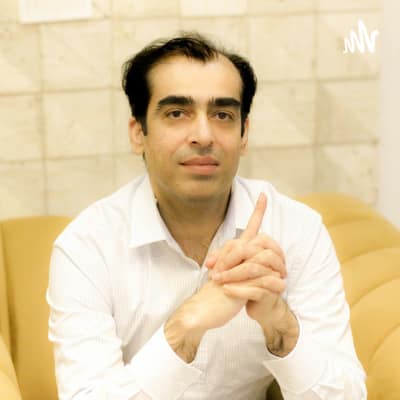
Muhammad Qasim is a Pakistani individual who first gained attention around 2014–2015 by publicly sharing what he described as recurring religious dreams. According to his followers, these dreams contain warnings, moral guidance, and messages centered on monotheism and the rejection of what they describe as spiritual corruption.
Qasim himself does not claim formal religious authority, nor is he known to have undergone recognized theological training. His prominence has grown primarily through social media networks rather than through established religious or academic institutions.
The Nature of His Claims
Qasim’s supporters believe his dreams carry special significance and, in some cases, divine meaning. These dreams are often interpreted by followers as signs related to global events, political change, or spiritual decline. Some online accounts have gone further, portraying Qasim as a divinely chosen messenger or a figure with a special role in the future of the Muslim world.
However, Qasim has not been recognized as a prophet, reformer, or official religious leader by any mainstream Islamic authority.
Social Media Amplification and Misinformation
A significant factor behind Qasim’s visibility is the way his story is amplified online. Numerous accounts across platforms repost content attributed to him, often using sensational language, edited videos, or fabricated “breaking news” graphics to suggest official recognition or international meetings.
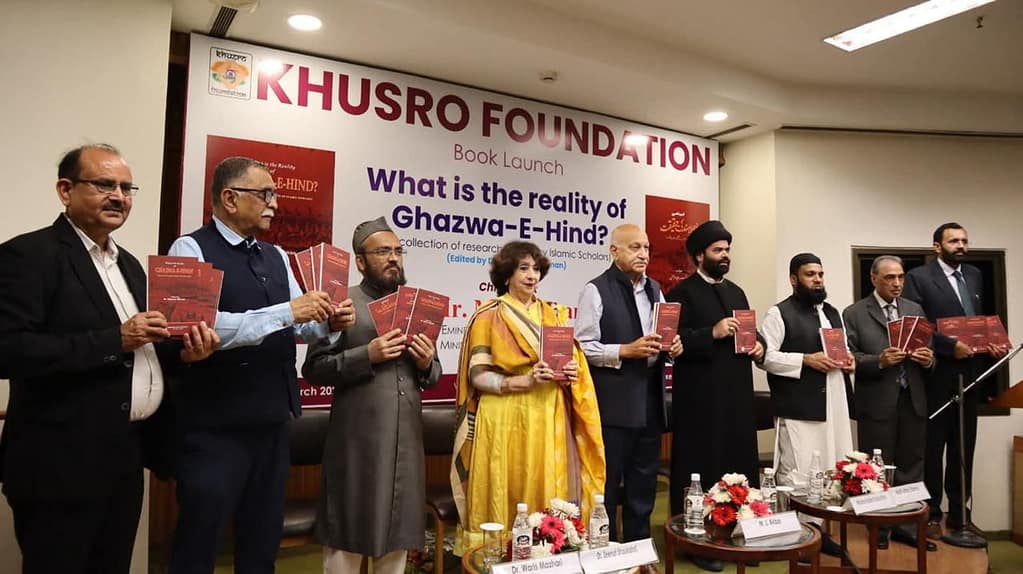
In many cases, these posts lack verifiable sources or confirmation from credible institutions. Images and videos are frequently taken out of context, showing Qasim at public or private gatherings that are later framed as formal government or religious endorsements.
Religious and Scholarly Perspectives

Islamic scholars and established religious institutions consistently emphasize that dreams — even if sincere — cannot be used as a basis for religious rulings, public doctrine, or calls to action. In Islamic tradition, dreams are considered personal experiences that do not carry authority over others.
No major Islamic institution, including well-known scholarly bodies, has endorsed Qasim’s claims or validated interpretations attributed to him by his followers.
Why the Claims Resonate With Some Audiences
Experts note that figures like Qasim often gain traction during periods of social anxiety, political uncertainty, or religious confusion. Simple narratives, spiritual certainty, and promises of hidden knowledge can be emotionally compelling, especially in online spaces where verification is limited and algorithms reward sensational content.
This dynamic can create tightly knit online communities that reinforce belief while dismissing skepticism as hostility or misunderstanding.
The Bottom Line
Muhammad Qasim is best described as an internet-era religious personality whose influence is driven by social media rather than institutional legitimacy. While he appears to genuinely believe in the personal significance of his dreams, there is no credible evidence that they represent divine messages meant for the public or that he holds any recognized religious authority.
Readers are encouraged to approach viral claims surrounding Qasim with caution, seek verified sources, and distinguish personal belief from established religious scholarship.
Muhammad Qasim
Muhammad Qasim (full name: Syed Muhammad Qasim bin Abdul Karim) is a Pakistani religious figure known for claiming to receive divine dreams involving Allah (SWT) and the Prophet Muhammad (SAW). He began publicly sharing these experiences around 2014 and has since gained an online following, particularly among audiences interested in Islamic eschatology and dream interpretation. tecktimes.xyz+1
Key facts
- Full name: Syed Muhammad Qasim bin Abdul Karim
- Nationality: Pakistani
- Known for: Claiming recurrent divine dreams about Islam and end-times events
- Main themes: Avoidance of shirk, unity of Muslims, prophecy-related visions
- Public activity since: ≈ 2014
Background and claims
According to his official website and supporters, Qasim reports having experienced hundreds of dreams in which he hears Allah’s voice and meets the Prophet Muhammad. He interprets these dreams as spiritual messages urging Muslims to strengthen faith, renounce shirk (associating partners with God), and prepare for the approaching end times. His narratives often reference symbolic events such as the Ghazwa-e-Hind (battle for India) and the rise of Pakistan as a moral and technological leader in the Muslim world. tecktimes.xyz+1
Teachings and major themes
Qasim emphasizes:
- Avoidance of shirk: Believers should seek help solely from Allah, not through images or intercession.
- Unity of the Ummah: He foresees Muslims uniting under divine guidance.
- Imminence of Qiyamah: His dreams predict major apocalyptic signs within coming decades.
- Divine guidance through dreams: He asserts his religious insight derives directly from dreams rather than formal training.
He consistently denies being the awaited Imam Mahdi, although some followers attribute prophetic significance to his visions. tecktimes.xyz+1
Reception and following
Qasim’s claims have drawn both support and skepticism. Advocates see his dreams as spiritual reminders aligned with Qurʾānic warnings against idolatry and moral decay. Critics—including many traditional ʿulama and theologians—question the doctrinal authority of such visions and caution against treating them as revelation. His movement remains primarily internet-based, with social-media hashtags and discussion forums circulating his dream narratives globally. tecktimes.xyz+1
Legacy and current status
As of 2025, Muhammad Qasim continues to share dream accounts through his websites and online communities. While not affiliated with any formal religious institution, his teachings contribute to ongoing debates in contemporary South Asian Islam regarding mysticism, prophecy, and the role of personal revelation in modern faith. tecktimes.xyz+1