
The Birth of Jesus: A Historical Event That Shaped Western Civilization
The Birth of Jesus: A Historical Event That Shaped Western Civilization
Every year on December 25, millions of people across the globe commemorate the birth of Jesus Christ. While for Christians this date carries deep spiritual meaning, the significance of Jesus’ birth extends far beyond religion. It represents one of the most influential historical moments in human history—one that helped shape Western civilization’s values, laws, art, politics, and understanding of morality for more than two millennia.
This is not merely a story of faith, but a historical and cultural event whose ripple effects continue to define modern society.
A Humble Birth in a Turbulent World

According to historical and biblical accounts, Jesus was born in Bethlehem during a period of Roman rule over Judea, sometime between 6 and 4 BCE. The region was marked by political tension, economic hardship, and social inequality. Power rested with imperial authorities, while much of the population lived under heavy taxation and military oversight.
What makes Jesus’ birth remarkable from a historical perspective is not only when it happened, but how. Unlike emperors and kings who entered the world in palaces, Jesus was born into poverty, in a stable, to a working-class family. This contrast between divine message and human humility would later become a central theme of Western moral thought.

From Local Event to Global Turning Point
At the time, the birth of Jesus was a minor event in a remote Roman province. There were no official records announcing it, no armies assembled, and no political declarations made. Yet within a few centuries, this quiet beginning evolved into a movement that reshaped continents.
By the 4th century, Christianity had moved from persecution to prominence, eventually becoming the dominant religion of the Roman Empire. From there, the teachings attributed to Jesus became embedded in European institutions, influencing education, governance, and social norms.
Western civilization, as it developed, absorbed these principles—sometimes imperfectly, sometimes controversially—but always profoundly.
Moral Foundations That Endured
One of the most enduring impacts of Jesus’ birth lies in the ethical framework that followed. Teachings associated with Jesus emphasized compassion, forgiveness, humility, and the inherent worth of every individual—concepts that later became cornerstones of Western philosophy and law.
Ideas such as caring for the poor, protecting the vulnerable, and valuing mercy over vengeance gradually found their way into legal systems, charitable institutions, and social reforms. Hospitals, orphanages, and early universities in Europe often emerged from Christian traditions inspired by these values.
Even in largely secular societies today, echoes of these moral foundations remain visible in human rights discourse and social justice movements.
Art, Literature, and Cultural Identity
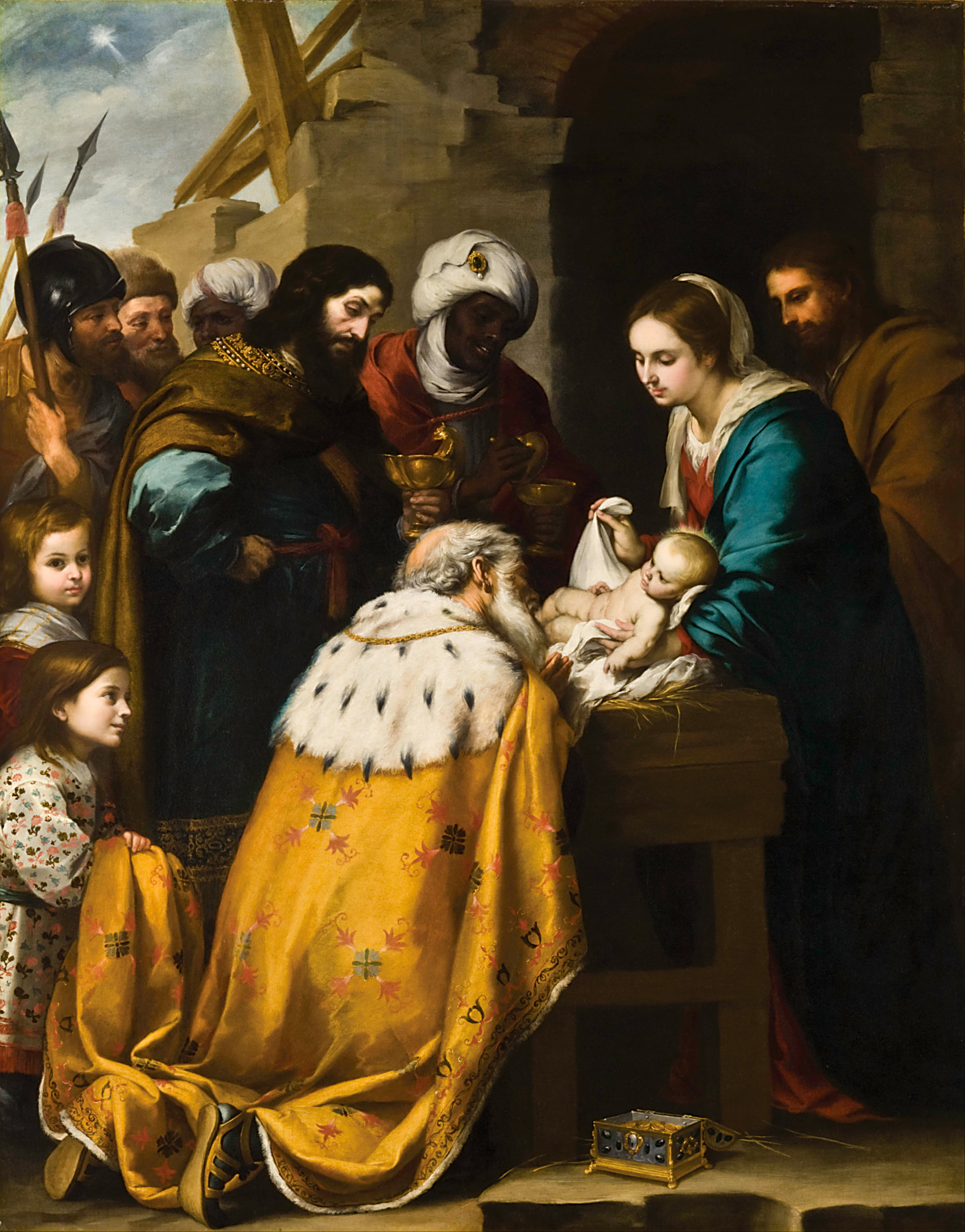
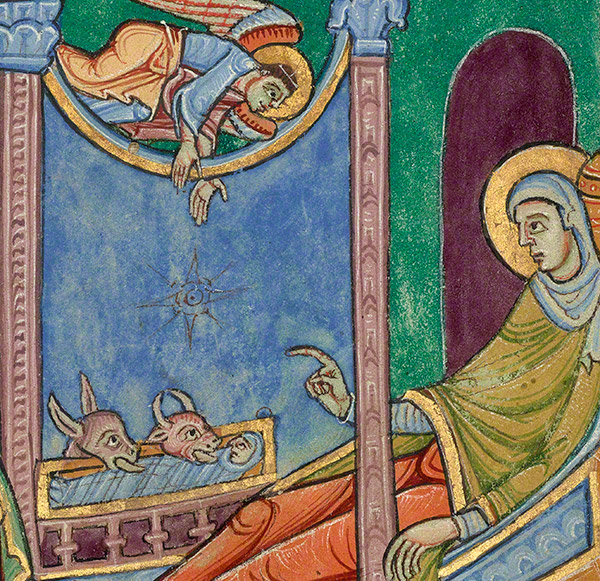
The birth of Jesus has inspired some of the greatest works of art and literature in Western history. From Renaissance paintings and medieval manuscripts to classical music and modern cinema, the Nativity has been retold across centuries and cultures.
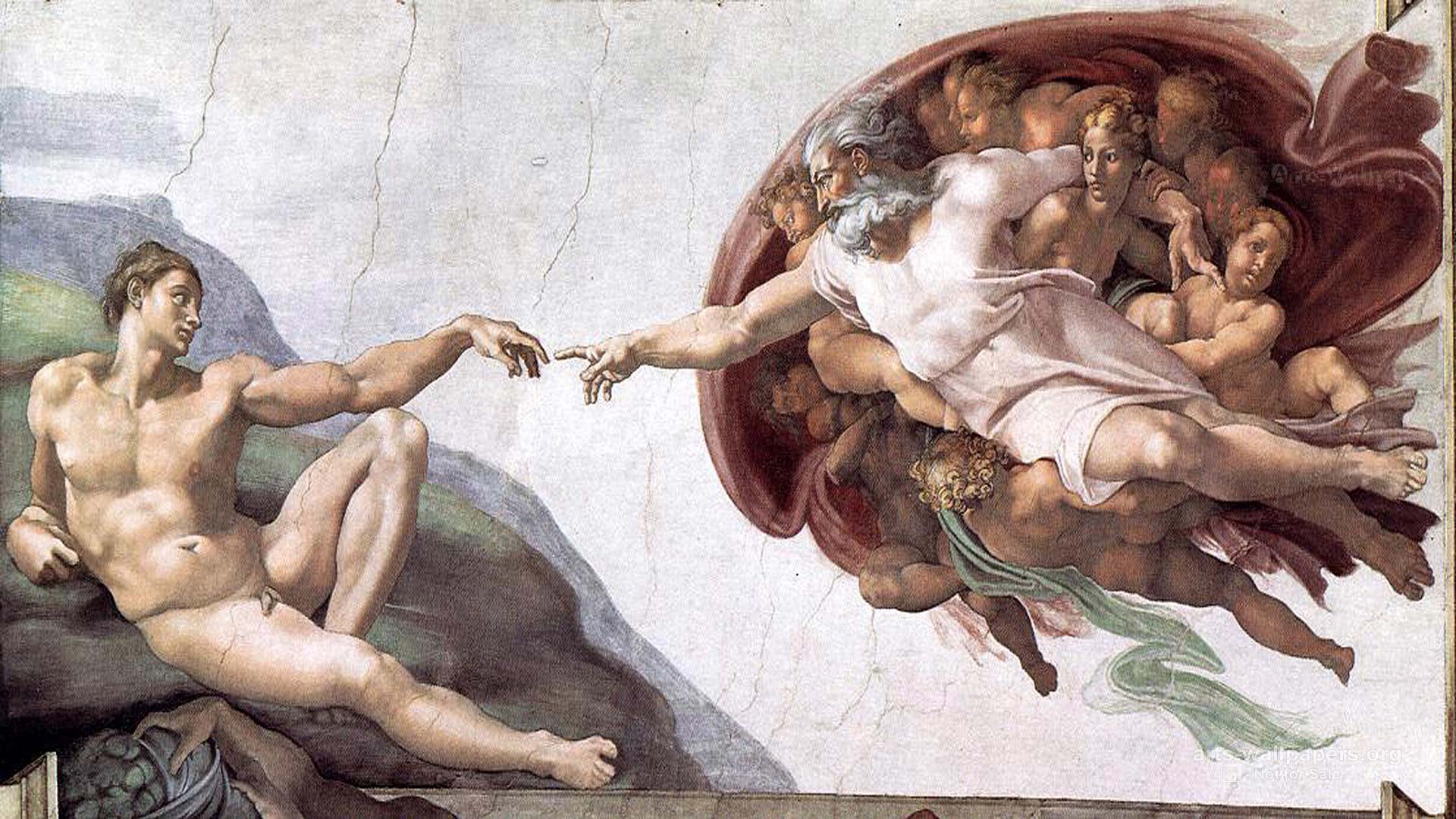
Artists such as Michelangelo, Leonardo da Vinci, and countless others drew inspiration from Christian narratives rooted in the birth of Christ. Christmas traditions themselves—music, storytelling, and communal celebration—became defining elements of Western cultural identity.
These artistic expressions helped preserve history, transmit values, and unify communities across generations.
The Political and Social Legacy
The influence of Jesus’ birth also extends into politics and governance. Western political thought was shaped, in part, by Christian ideas about moral authority, justice, and leadership. The belief that rulers should serve rather than dominate, and that power should be exercised with restraint, can be traced to teachings attributed to Jesus.
While history shows many moments where institutions failed to live up to these ideals, the standards themselves continued to influence reform movements, abolition efforts, and civil rights struggles throughout Europe and the Americas.
A Story That Continues to Resonate
More than 2,000 years later, the birth of Jesus remains relevant not because of force or conquest, but because of meaning. In times of crisis—wars, economic hardship, and social division—the story of a child born in humility continues to symbolize hope, renewal, and moral reflection.
For believers, it represents divine intervention. For historians, it marks the beginning of a movement that transformed societies. For cultures shaped by the West, it stands as a reference point for values that continue to guide debate and identity.
Conclusion: Beyond Faith, Into History
The birth of Jesus is more than a religious milestone—it is a historical event whose influence is woven into the fabric of Western civilization. From ethics and law to art and culture, its impact is undeniable.
Whether viewed through the lens of faith, history, or cultural analysis, the Nativity remains one of the most consequential moments in human history—quiet in its beginning, but monumental in its legacy.
- Iran 2026 Explained: How Decades of Pressure Led to a Nationwide Shutdown
- European officials criticize the U.S. withdrawal from major climate frameworks.
- Venezuela Claims 100 Killed in U.S. Operation That Captured Maduro as Cuba Reports 32 Dead
- Demonstrators gather in Minneapolis following a fatal ICE-involved shooting.
- Venezuela’s Crisis Escalation: A One-Month Timeline From Oil Tanker Seizures to Maduro’s Capture