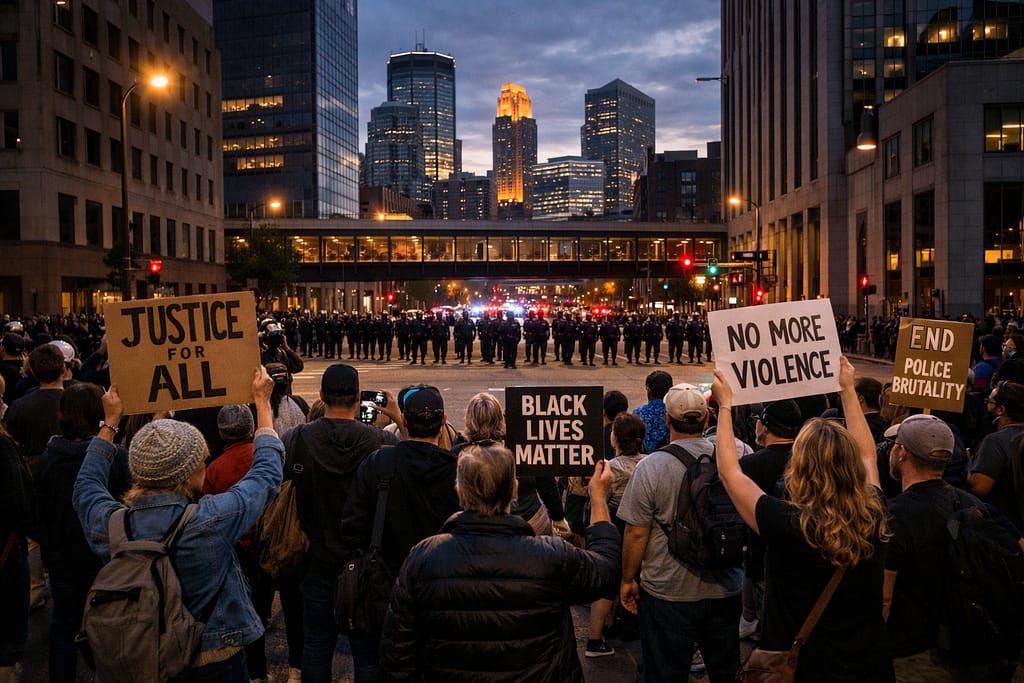
Demonstrators gather in Minneapolis following a fatal ICE-involved shooting.
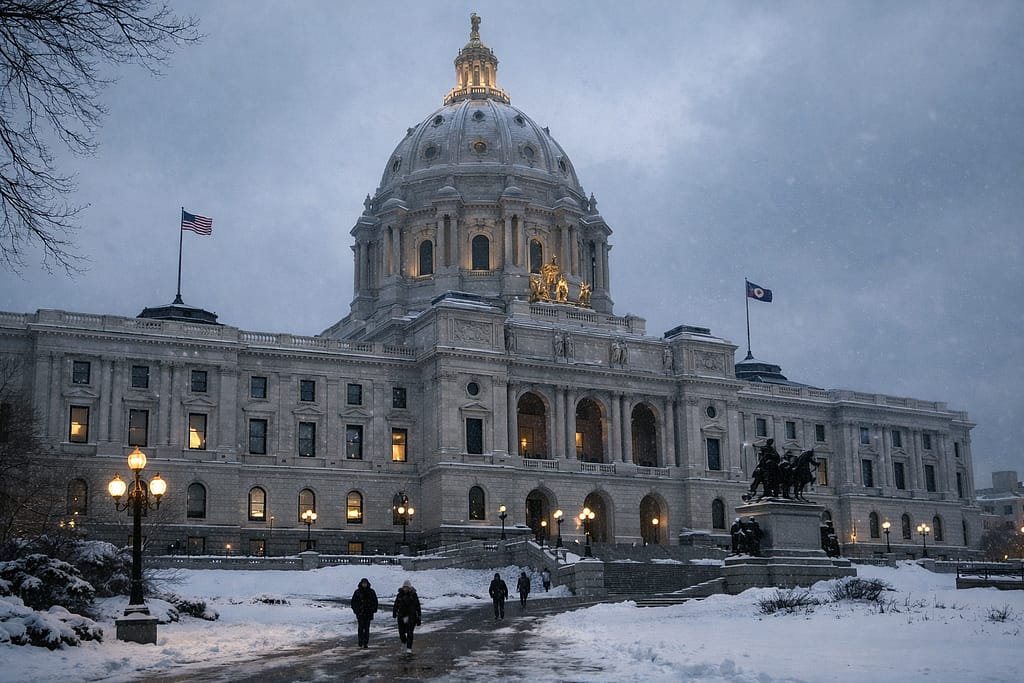
ST. PAUL, Minn. — Minnesota Gov. Tim Walz has authorized the Minnesota National Guard to be staged and ready to support local and state law enforcement “if needed,” as tensions rise following a fatal shooting in south Minneapolis involving a federal immigration officer.
The announcement comes after a woman was shot and killed Wednesday, Jan. 7, 2026, during federal immigration enforcement operations. The victim was identified as 37-year-old Renee Nicole Good.
What Walz authorized
In a statement and formal action from the governor’s office, Walz said he has approved Executive Order 26-01, allowing Guard personnel to be positioned for a support role focused on:
- Protecting critical infrastructure
- Safeguarding property
- Assisting law enforcement with additional tasks as requested
so that local agencies can remain focused on public safety and investigations.
Walz praised the public response so far, saying thousands have protested peacefully and emphasizing the state wants to keep space open for lawful demonstrations.
State Patrol also mobilizes a specialized response team
Alongside the Guard staging order, the state has mobilized 85 members of the Minnesota State Patrol’s Mobile Response Team, a crowd-control and rapid-deployment unit used for major incidents and large demonstrations.
The Minneapolis shooting: what’s known
The killing happened during a federal operation in south Minneapolis. Federal officials claim the ICE officer used deadly force in self-defense, alleging Good tried to use her vehicle against officers — an account Minneapolis leaders have publicly disputed.
Homeland Security Secretary Kristi Noem has defended the officer’s actions, saying the agent acted in self-defense and followed training.
Local anger has intensified because Minneapolis Mayor Jacob Frey and Walz have criticized federal messaging and called on ICE to leave the city and the state.
FBI takes control of the investigation, limiting Minnesota’s access
A major new flashpoint is the investigation itself.
Minnesota officials say the FBI has taken full control, and the Minnesota Bureau of Criminal Apprehension (BCA) has stated it cannot access key evidence needed to conduct an independent state investigation.
That jurisdictional clash is now becoming part of the story, with state leaders arguing Minnesota must be able to review evidence, while federal authorities maintain the case belongs under federal authority.
Why the National Guard move matters
Walz’s order does not automatically mean troops are deploying into the streets. It means the Guard is positioned and ready — a step states sometimes take to deter violence, protect infrastructure (utilities, transport, government buildings), and allow local police to concentrate on investigations and community safety.
It also signals state officials are bracing for additional demonstrations — especially as competing narratives over the shooting continue to spread and public trust becomes central to what happens next.
What to watch next
Key developments likely to shape the next 48–72 hours include:
- Release of verified video and evidence related to the shooting (and whether Minnesota investigators get access).
- Any federal briefing that clarifies the use-of-force justification and identifies the officer involved (media reports have linked the officer to Jonathan Ross via court records).
- Protest activity in Minneapolis and whether it remains peaceful as the investigation dispute escalates.