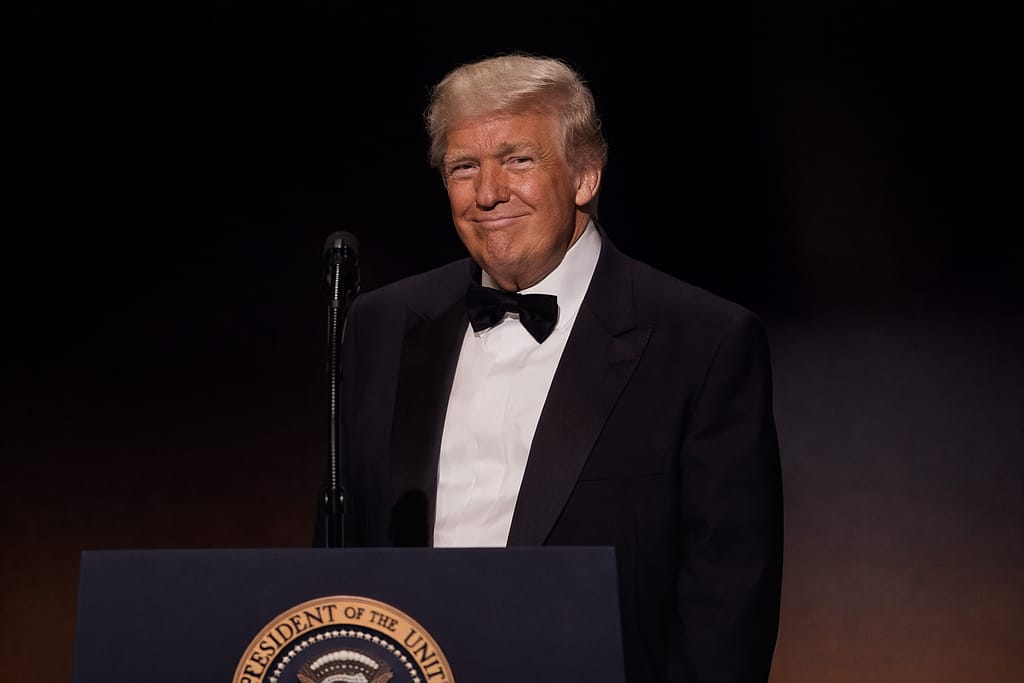
European officials criticize the U.S. withdrawal from major climate frameworks.
WASHINGTON — President Donald Trump has signed a presidential memorandum directing the United States to withdraw from 66 international organizations and U.N.-linked entities, arguing they “no longer serve American interests,” according to the White House. The list includes 31 U.N. bodies and 35 non-U.N. organizations, marking one of the broadest pullbacks from multilateral institutions in modern U.S. history.
Among the most consequential exits: the U.N. Framework Convention on Climate Change (UNFCCC) — the foundational 1992 climate treaty that underpins global negotiations and the framework around the Paris Agreement. Reuters reported the U.S. would become the first country to leave the UNFCCC.
What the White House says the memo does
The White House said the memo directs agencies to formally withdraw from dozens of international bodies and halt or reduce support “where legally permissible.” The administration framed the move as a reset of commitments it says conflict with U.S. sovereignty and policy priorities.
A separate U.N. response pushed back, saying the U.S. has legal obligations to pay certain assessed contributions even if it exits specific programs, underscoring that not all funding is discretionary.
The biggest headline: U.S. withdraws from the UNFCCC
The UNFCCC is the core treaty that organizes global climate talks and sets the structure for annual U.N. climate summits. EU Climate Commissioner Wopke Hoekstra called the U.S. decision “regrettable and unfortunate,” warning the withdrawal of the world’s largest economy and one of the largest emitters weakens global cooperation.
Beyond the UNFCCC, Reuters and other reporting say the pullback also includes climate-science and environment-related bodies such as the Intergovernmental Panel on Climate Change (IPCC) and additional international groups tied to climate and conservation work.
Other high-profile targets: UN Women, UNFPA, UNCTAD
The list also includes social and development institutions, such as:
- UN Women
- United Nations Population Fund (UNFPA)
- United Nations Conference on Trade and Development (UNCTAD)
The U.N. said it was caught off guard by the breadth of the action and reiterated that it will continue its work while reviewing the practical implications.
Rubio’s argument: “progressive ideology” and “gender campaigns”
Secretary of State Marco Rubio has criticized international institutions as advancing “progressive ideology,” including what he described as “gender equality campaigns” and a “traditional approach” to climate policy, according to reporting on the administration’s messaging around the memo.
What happens next: withdrawal isn’t always instant
Even when the U.S. announces an exit, many organizations require a formal process (notifications, waiting periods, and legal steps) before withdrawal becomes final. Reuters reported at least one regional environmental organization emphasized the U.S. must follow formal exit procedures.
Why this matters
This memo lands at a moment when:
- Climate diplomacy is heavily structured around the UNFCCC system, and U.S. participation has historically shaped negotiations.
- U.N. officials warn that assessed contributions are not optional under the U.N. charter framework, raising questions about arrears, votes, and compliance.
- Allies in Europe and beyond fear the move reduces U.S. influence while competitors expand theirs.