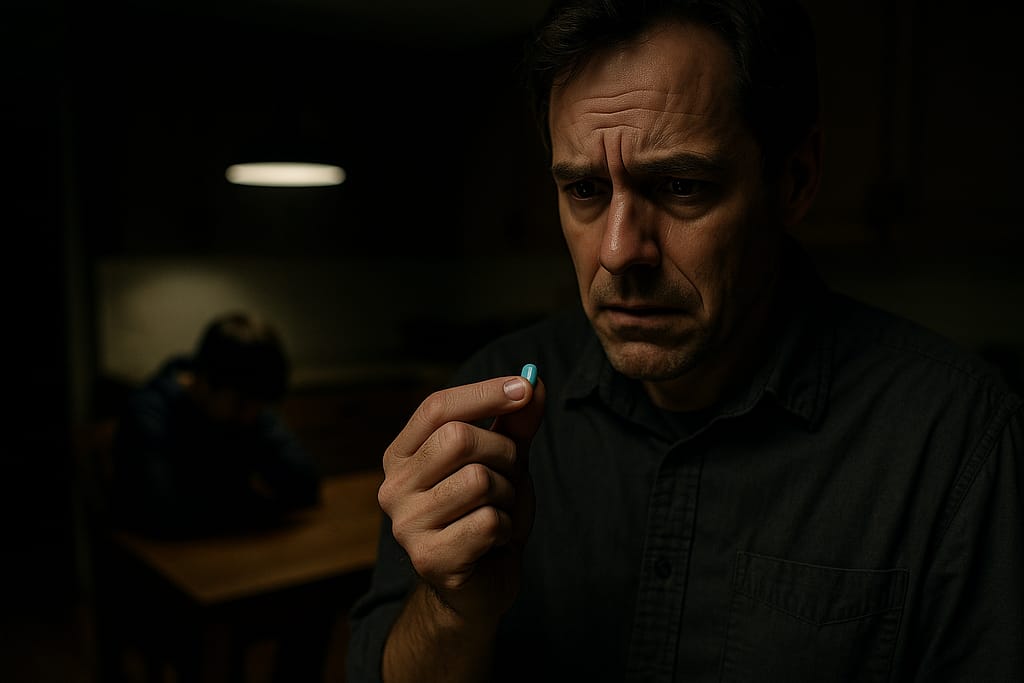
How to Tell If Your Child Is Using Fentanyl or Other Dangerous Drugs
A Parent’s Guide to the Warning Signs, Risks, and What to Do Next
In recent years, fentanyl has become one of the deadliest drugs circulating in the United States — and one of the most dangerous threats facing teenagers and young adults. According to U.S. health and law enforcement agencies, illicit fentanyl is now involved in the majority of overdose deaths nationwide, often without users even realizing they are taking it.
For parents, this crisis raises a frightening question: How can you tell if your child is using fentanyl or other drugs — and what should you do if you suspect it?
Why Fentanyl Is Especially Dangerous
Fentanyl is a synthetic opioid that is up to 50 times stronger than heroin and 100 times stronger than morphine. Just a few milligrams — an amount smaller than a grain of rice — can be fatal.
What makes fentanyl particularly deadly is that it is often hidden inside other drugs, including:
- Fake prescription pills (Percocet, Oxycodone, Xanax)
- Cocaine
- Methamphetamine
- Party drugs sold to teens as “safe” or “pharmaceutical-grade”
Many young users overdose believing they are taking something else.

Behavioral Warning Signs to Watch For
One of the first indicators of drug use is a noticeable change in behavior. Parents should be alert if a child suddenly shows:
- Extreme mood swings or irritability
- Withdrawal from family and longtime friends
- Sudden secrecy about phone use or online activity
- Loss of interest in school, sports, or hobbies
- Changes in sleep patterns — staying up all night or sleeping excessively
- Declining grades or frequent absences
These changes alone don’t prove drug use, but patterns and combinations are key red flags.
Physical Signs of Opioid or Drug Use
Fentanyl and other opioids often cause specific physical symptoms, including:
- Pinpoint pupils (very small pupils, even in dim light)
- Drowsiness or “nodding off”
- Slurred or slowed speech
- Shallow or slowed breathing
- Unexplained nausea or vomiting
- Frequent nosebleeds (if snorting drugs)
- Track marks or unexplained bruises on arms or legs
Parents should seek immediate medical attention if a child shows signs of overdose, such as trouble breathing, unconsciousness, or bluish lips or fingernails.

Warning Signs at Home
Subtle clues may appear in your home environment, including:
- Missing prescription medications
- Unexplained cash shortages
- Burnt spoons, foil, or small plastic baggies
- Pill fragments or unfamiliar tablets
- Strong chemical or unusual smells
- Vape devices used to conceal drug use
Fake pills made with fentanyl often look identical to legitimate medications.
Social Media and Online Risks
Many teens are exposed to drugs through social media platforms and encrypted messaging apps. Dealers increasingly market fentanyl-laced pills using emojis, slang, and direct messages.
Parents should be aware of:
- Sudden new online “friends”
- Secretive behavior around phones
- Drug-related emojis or coded language
- Package deliveries from unknown senders
Online drug sales have become one of the fastest-growing threats to young Americans.
What Parents Should Do If They Suspect Drug Use
If you believe your child may be using fentanyl or another drug:
- Stay calm and avoid confrontation
– Anger or accusations can push teens further away. - Have an open, honest conversation
– Express concern, not punishment. - Seek professional help
– Contact a pediatrician, addiction specialist, or school counselor. - Consider drug testing
– Many parents choose this as a safety measure. - Learn overdose response
– Keep naloxone (Narcan) available; it can reverse opioid overdoses.
Early intervention can save lives.

A Crisis Hitting American Families Everywhere
Fentanyl overdoses now affect families in every community — suburban, rural, and urban. Health officials warn that no demographic is immune.
Parents are urged to talk openly with their children about:
- The real risks of counterfeit pills
- The unpredictability of street drugs
- The fact that “trying it once” can be fatal
Final Thoughts
The fentanyl crisis is not an abstract national issue — it is a personal and immediate danger facing American families today. Recognizing the signs early and acting decisively can make the difference between tragedy and survival.
If you suspect your child is at risk, trust your instincts and seek help immediately.
Awareness saves lives.