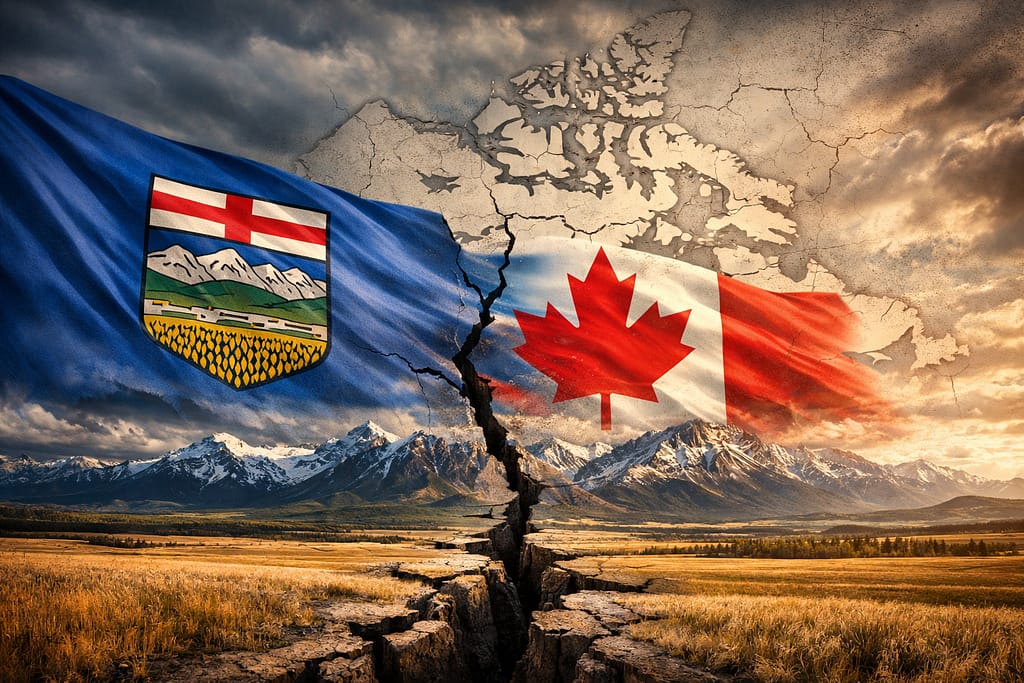
Explainer — The “Independent Alberta” Movement and Latest Developments
The idea of an independent Alberta — separate from Canada as a sovereign state — has shifted in recent years from fringe political talk to a topic attracting serious discussion among certain Albertans and observers online and offline. Macleans.ca
🌎 What Is the Alberta Independence Movement?
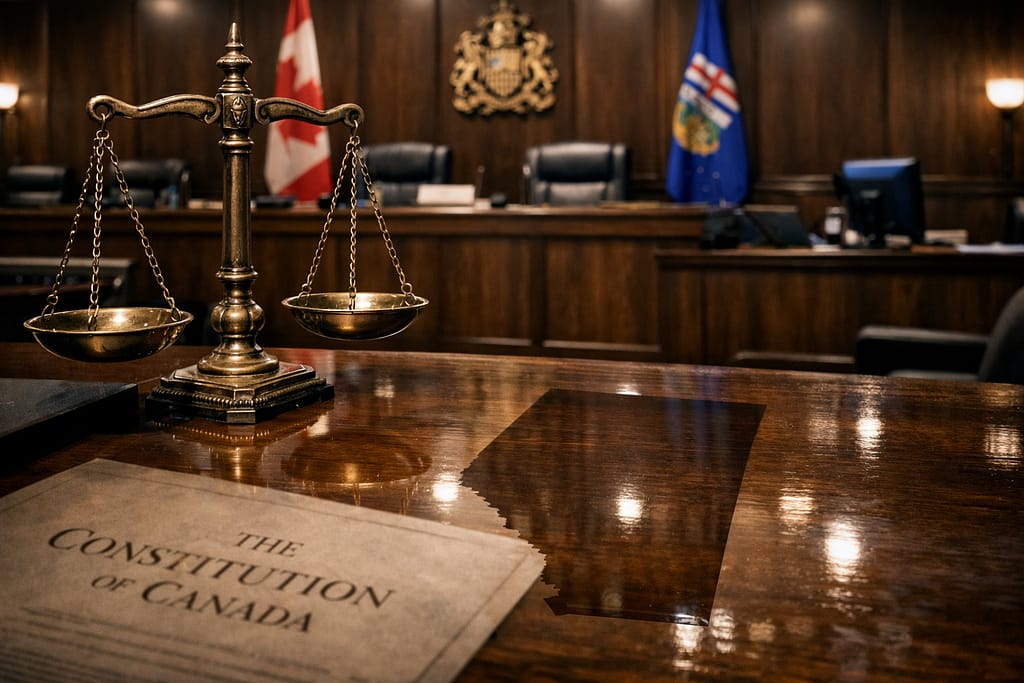
Alberta separatism refers to a set of movements and organizations advocating that the province of Alberta either:
- becomes independent from Canada entirely, or
- gains significantly more autonomy within the Canadian federation. Wikipedia
Historically, this sentiment has been tied to perceptions of economic and political imbalance between Alberta and the federal government in Ottawa — especially related to energy policies, taxation, and federal resource management. Wikipedia
📈 Why It’s Gaining Attention in 2025
Several factors have pushed the topic into public debate this year:
1. Proposed Independence Referendum
A grassroots group called the Alberta Prosperity Project filed a citizen initiative petition to Elections Alberta for an independence referendum. They are seeking enough signatures to force a vote on whether Alberta should become a sovereign nation separate from Canada. Wikipedia
Although the Court of King’s Bench reviewed the legal wording of the referendum question to ensure it didn’t violate the Constitution, the process has energized pro-independence supporters. Wikipedia
2. Public Support and Debate

Polling — including research reported over the past year — suggests that roughly around 30% of Albertans support or somewhat support independence, with another portion at least curious about the idea. This shows the movement is noticeable, even if not yet a majority. The Tyee
Discussion about whether separation is mainstream or merely a vocal minority continues among academics, analysts, and the public. The Tyee
📌 Political and Organizational Landscape
Several political parties and groups are part of or adjacent to the independence movement:
- The Independence Party of Alberta has existed for over two decades, though its influence remains limited within provincial elections. Wikipedia
- The Republican Party of Alberta (formerly the Buffalo Party) has shifted toward supporting a binding referendum on independence and even floated a future non-binding vote on joining the United States. Wikipedia
- The Wildrose Independence Party and Wildrose Loyalty Coalition also exist as additional right-leaning parties related to Western Canadian separatism, though with varying support levels. Wikipedia+1
These groups differ in ideology, strategy, and electoral strength — but they share a core goal of reducing Ottawa’s influence and enhancing Alberta’s autonomy or sovereignty. Wikipedia
📢 Online and Grassroots Activity
The “RiseOfAlberta” page on X (formerly Twitter) represents an online space where supporters of Alberta independence share updates, commentary, and arguments for secession. The page has seen growing engagement as discussions about potential referendums and grassroots organizing continue.
Across social platforms, proponents emphasize themes like:
- frustration with federal policies
- desire for full control over energy and immigration
- belief in Alberta’s distinct cultural or economic identity.
Meanwhile, some groups argue for unity and cohesive strategy within the independence movement to avoid fragmentation.
⚖️ Legal and Political Challenges
Achieving true independence would not be simple:
- Canadian constitutional law does not allow unilateral secession — a constitutional process would be required. Centre for Constitutional Studies
- A referendum would need to demonstrate a “clear expression” of a majority desire to separate, subject to federal review and negotiation. Centre for Constitutional Studies
This legal roadmap — established after other provincial secession discussions in Canada — would mean lengthy negotiations and constitutional change even if a referendum were successful. Centre for Constitutional Studies
📊 What Supporters Say
Advocates argue that:
- Alberta is disproportionately taxed compared to what it receives in federal transfers. Alberta.ca
- A sovereign Alberta could better manage its vast natural resources, immigration policies, and economic strategies. Instagram
They also believe that recent federal policies have deepened dissatisfaction and increased interest in independence or enhanced autonomy, though mainstream political leaders like Premier Danielle Smith have publicly focused on unity and negotiation within Canada, not secession. Alberta.ca
📌 In Summary
- Alberta’s independence movement is not new, but it has grown in visibility in 2025 due to grassroots petitions, online engagement, and political frustration. Macleans.ca
- Groups are actively organizing toward a referendum, though legal and political obstacles remain significant. Wikipedia
- Public support is notable but not a majority, and debates continue about whether independence could ever become politically viable. The Tyee
- Iran 2026 Explained: How Decades of Pressure Led to a Nationwide Shutdown
- European officials criticize the U.S. withdrawal from major climate frameworks.
- Venezuela Claims 100 Killed in U.S. Operation That Captured Maduro as Cuba Reports 32 Dead
- Demonstrators gather in Minneapolis following a fatal ICE-involved shooting.
- Venezuela’s Crisis Escalation: A One-Month Timeline From Oil Tanker Seizures to Maduro’s Capture